- Explore us
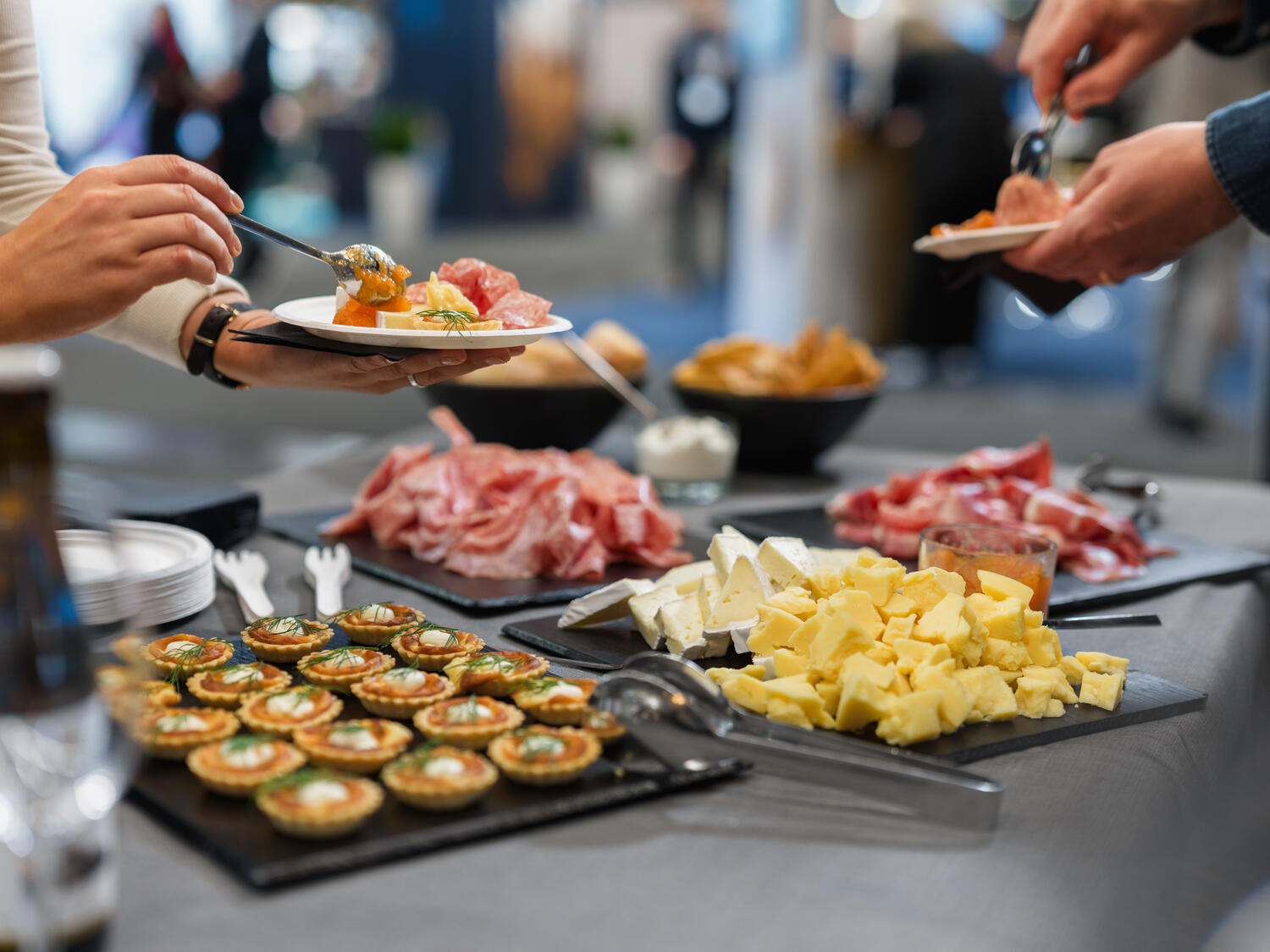
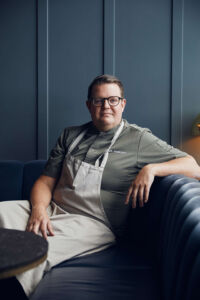
How can you encourage buffet guests not to take too much food? Can food waste be turned into new ingredients? Fredrik Andersson, Culinary Executive Chef at the Swedish Exhibition & Congress Centre and Gothia Towers, explains how they are working to tackle one of the major challenges facing the restaurant and events industry.
”A third of all food produced for human consumption is lost or ends up as waste. This is, of course, a serious issue from a sustainability perspective. Within our industry, there is a great deal we can do, and that is why we are working purposefully to reduce food waste at every stage, says Fredrik Andersson.
When a buffet is served, the risk of food waste is particularly high, which is why further measures have been implemented to help guests make active choices without compromising on quality or the guest experience.
“It must be well-stocked with everything, but that doesn’t mean we should overproduce. We use smaller containers that are changed frequently. We also focus on portion sizes and make sure we don’t pile up mountains of food, but serve small, appetising portions. If you want more, you can help yourself to one or more portions. Any surplus is kept chilled so that it can be used at another time if it isn’t used up.”
Leftover food from events is also put to good use. Through close collaboration with Too Good To Go, a digital marketplace for surplus food, people can buy food that would otherwise have been at risk of going to waste.
But the work begins even before the ingredients reach the kitchens. The Swedish Exhibition & Congress Centre and Gothia Towers are involved in a number of partnerships with growers to ensure that overproduction does not occur.
“We are involved in forecasting how much should be grown at an early stage. We then buy the entire harvest. This means the farmer doesn’t end up with any wastage. We also try to buy whole animals rather than just the prime cuts. 35 per cent of the beef we purchased last year came from whole animals. Bones, for example, are used to make stock, whilst other food waste is given a new lease of life as flavourings.”
There are further examples of circular practices in the kitchens. Prawn shells are boiled down to make a stock for seafood soup, spring onion tops are dried and used as a seasoning, and herb stalks are turned into flavourful oils.
Waste is recorded for accurate monitoring. Production waste is weighed in the kitchens, whilst plate waste is measured in the washing-up areas. By monitoring waste on an ongoing basis, it is possible to improve planning for future meals and events.
In line with the 2030 Agenda, the Swedish Exhibition & Congress Centre and Gothia Towers have set a target of reducing food waste per guest by 50 per cent by 2030, compared with 2023.
“It’s an ambitious target. It requires all stakeholders in the supply chain to work together and develop new methods and ways of working, and for guests to become aware of how they themselves can reduce food waste,” concludes Fredrik Andersson.
How the Swedish Exhibition & Congress Centre and Gothia Towers work to reduce food waste:
- Measure and record production waste in the kitchens.
- Weigh and monitor plate waste from guests in the washing-up areas.
- Use smaller buffet platters that are replenished more frequently.
- Keep spare food chilled so that it can be used at a later date.
- Plan purchases in collaboration with producers and buy entire harvests.
- Purchase whole animals and utilise more parts of the raw produce.
- Sells surplus food via the digital marketplace Too Good To Go.